Tag Archives: Novastar

NovaStar VX1000 Pro USB Playback: Files vs. Source Pixels

NovaStar VX1000 Pro USB playback can decode a supported 3840 × 2160 H.265 video at up to 60 fps. The controller feeds the layer a fixed 1920 × 1080 source at 60 Hz. Before you approve a show file, check both its export settings and how its smallest text looks on the intended LED canvas. […]

NovaStar VX1000 Scaling: Fit Video to an LED Canvas

NovaStar VX1000 scaling changes the size of a video layer on the configured LED screen. It does not add physical pixels or repair an incorrect cabinet map. First establish the screen’s actual pixel dimensions, then decide whether the source should fill that area, remain at its original pixel size or use a custom layer rectangle. […]

NovaStar Calibration Coefficients: Before Replacing a Card

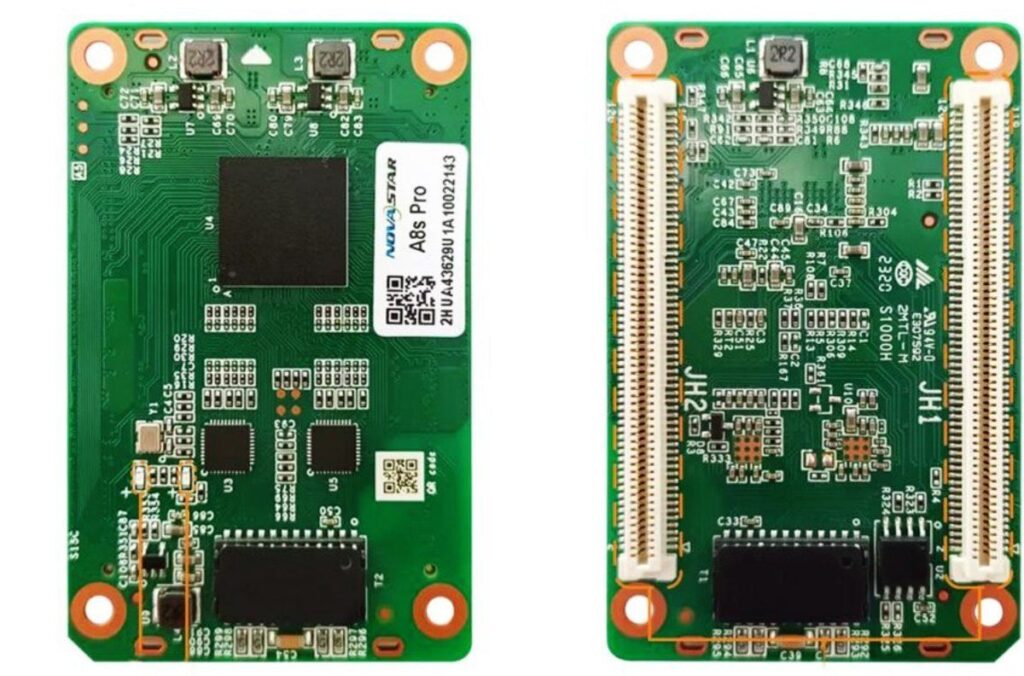
NovaStar A8s Pro front and rear boards for the A8s Pro vs A10s Plus comparison

NovaStar calibration coefficients are correction data used to improve brightness and color consistency across an LED display. A replacement receiving card should not be assumed to contain the data for your particular modules. Before ordering, identify the compatible card, preserve the relevant calibration records and confirm how those records will be restored. This guide is […]

NovaStar Receiving Card Count: Cabinets, Loads and Spares

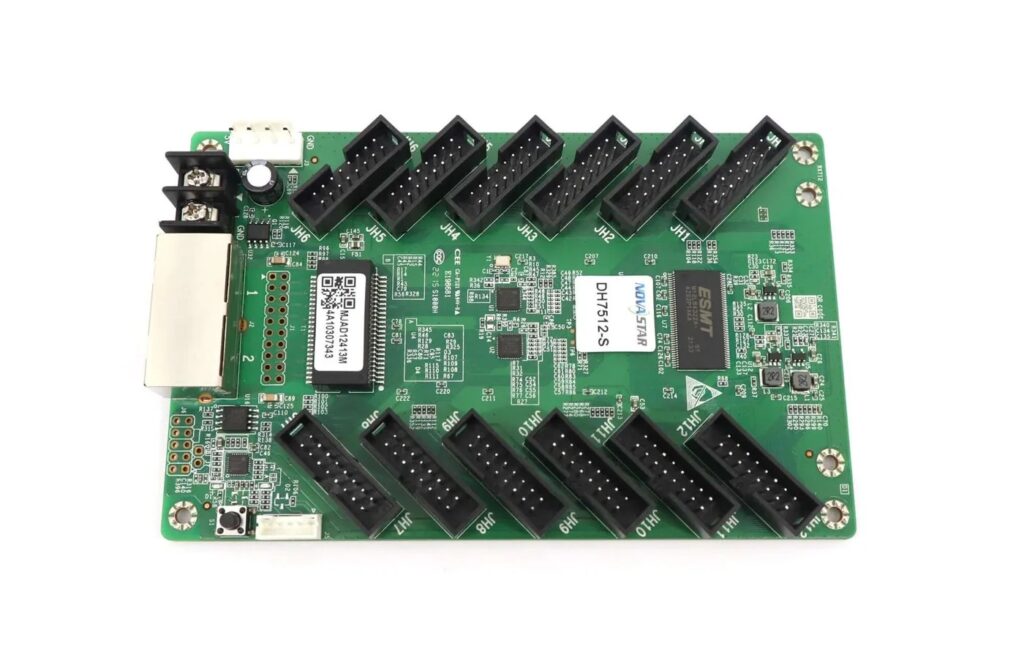
NovaStar DH7512-S board with twelve HUB75E connectors

A NovaStar receiving card count starts with the approved receiver arrangement inside each cabinet. Add the receivers required by every cabinet, then list installed backup receivers and shelf spares separately. Dividing the whole screen’s pixels by a card’s headline maximum is only an arithmetic check; it does not establish how many physical receivers the cabinet […]

MCTRL660 PRO 10-bit: Why Resolution Limits Change

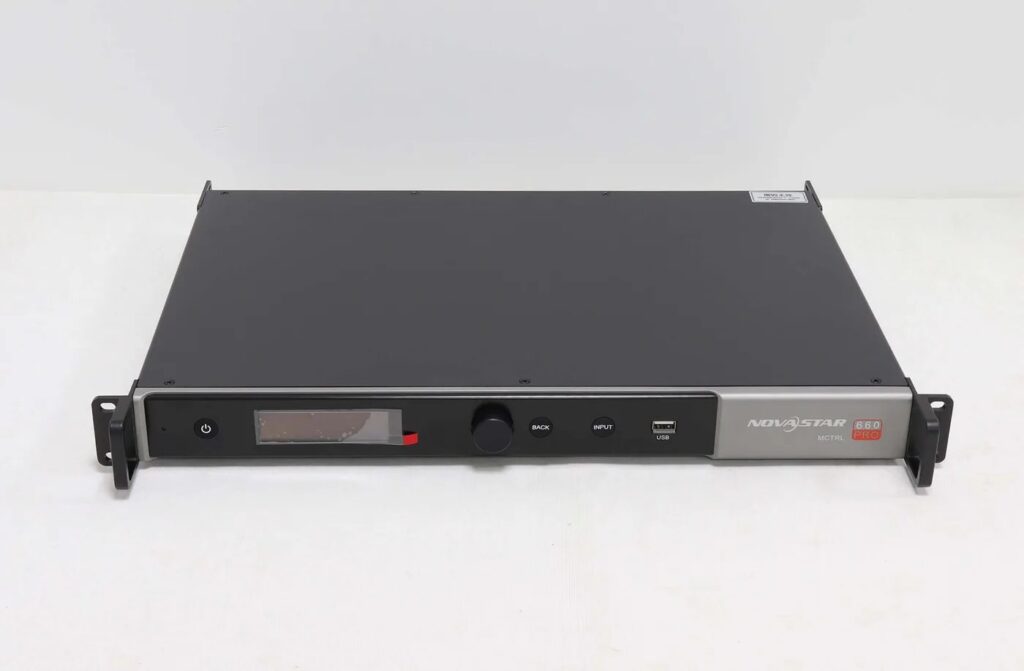
NovaStar MCTRL660 PRO front panel

MCTRL660 PRO 10-bit input has different documented resolution conditions from its 8-bit input. In the manufacturer’s V1.0.0 reference, HDMI and single-link DVI support 1920 × 1200 at 60 Hz with the standard 8-bit program, while standard 10-bit/12-bit operation is listed at 1920 × 960 at 60 Hz. The same reference lists 1920 × 1080 at […]

NovaStar Ethernet Port Backup: What It Protects

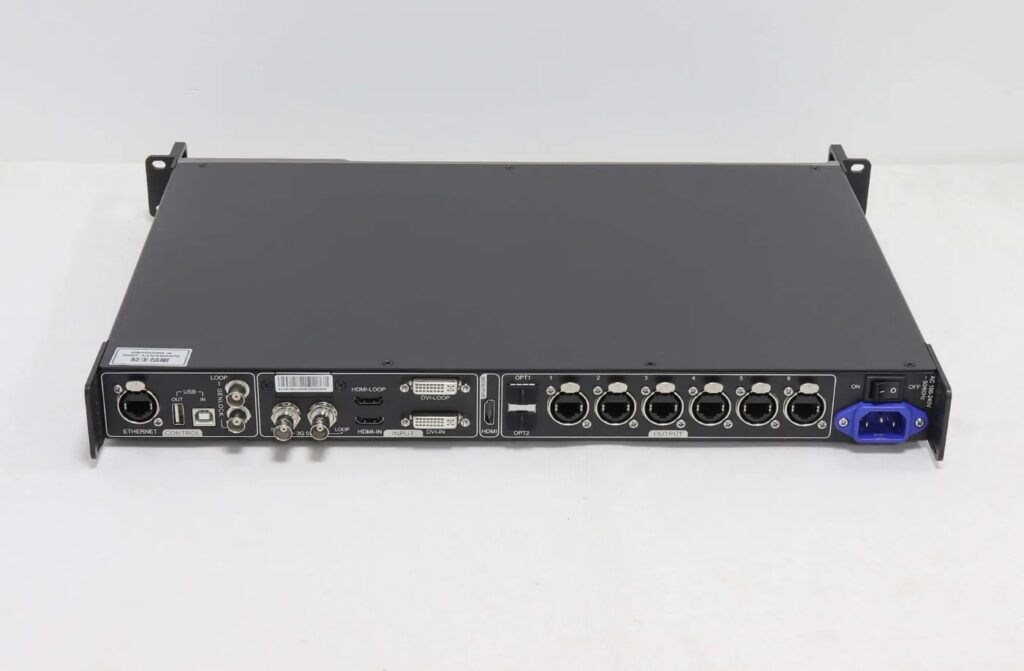
NovaStar MCTRL660 PRO rear video optical and control connections

NovaStar Ethernet port backup provides an alternate LED data path when the supported hardware, cabling and redundancy settings have been configured together. It does not automatically protect against every controller, power, receiving-card or module failure. Define the failure you want to cover before counting spare ports or ordering another device. This explanation is for an […]

NovaStar CVT10 Fiber Requirements: Choosing the Right Cable

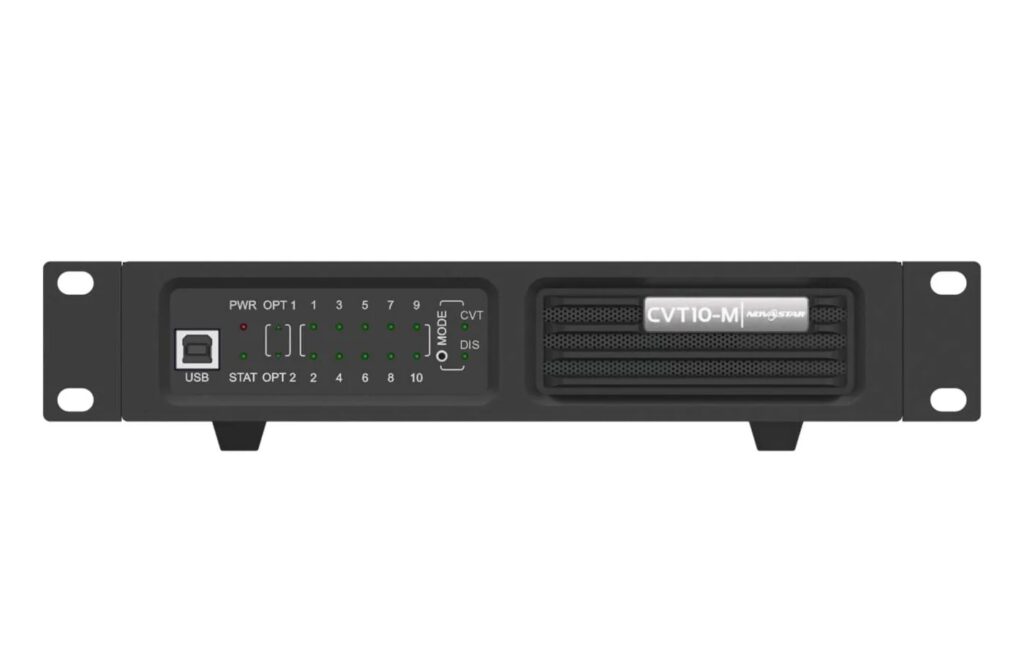
NovaStar CVT10-M front panel and Ethernet indicators for CVT10 ports 9 and 10 checks

NovaStar CVT10 fiber requirements depend on the model: CVT10-M uses multimode OM3/OM4 twin-core fiber with LC connectors, while CVT10-S uses single-mode OS1/OS2 twin-core fiber with LC connectors. The manufacturer’s V1.2.2 reference lists 300 m (984 ft) for CVT10-M and 10 km (6.2 mi) for CVT10-S. A shared connector shape does not make these two optical […]

NovaStar HUB75E Connectors: Module Ports and Compatibility

NovaStar DH7512-S board with twelve HUB75E connectors

NovaStar HUB75E connectors are module-output connections found on receiving cards such as DH7512-S and DH7516-S. They are different from the card’s Ethernet data connections and from the high-density connections used on compact receivers with a separate hub board. The connector name helps identify the connection family; it does not prove that a particular LED module, […]

NovaStar RCFGX File: Compatibility, Backup and Safe Reuse

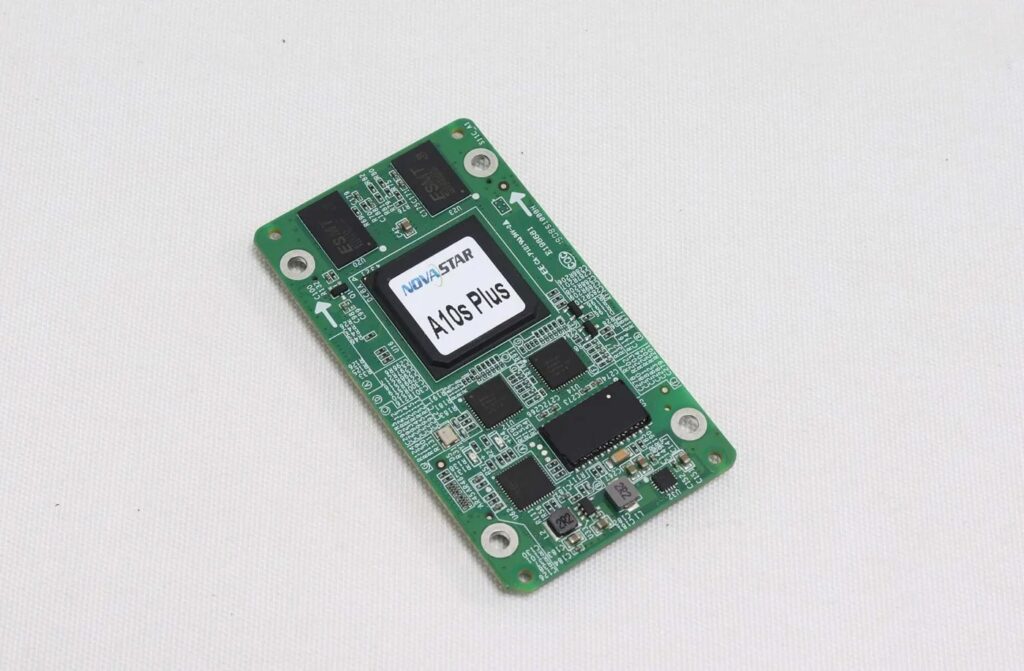
NovaStar A10s Plus component side and model label for A10s Plus vs A10s Pro selection

A NovaStar RCFGX file is a receiving-card configuration file used by supported hardware in NovaLCT. It is specific to the module and cabinet arrangement it was prepared for; the file extension alone does not establish compatibility. Keep the receiving-card profile separate from the screen connection map, firmware package and any calibration records required by the […]

NovaStar A8s Pro vs A10s Plus: Cabinet Compatibility Guide

NovaStar A8s Pro front and rear boards for the A8s Pro vs A10s Plus comparison

The main A8s Pro vs A10s Plus decision is cabinet compatibility and the functions the complete system can support. The cited A8s Pro specification provides up to 40 parallel RGB data groups, compared with 32 for A10s Plus; both list a maximum 512 × 512 pixel area. Their different mechanical dimensions and revision-dependent features mean […]