


Mooncell T-75EB / DY75 Full-Color LED Receiving Card
Price range: $ 12.40 through $ 17.30
Mooncell T-75EB / DY75 full-color receiving-card listing. The linked DY75 V3.2 document specifies 768 × 256 pixels for maximum and brightness-calibrated load, and 512 × 160 with chroma calibration; match the hardware revision before selection.
T-75EB / DY75 receiving card: calibration and setup
This Mooncell listing covers T-75EB / DY75 full-color LED receiving cards. The original feature list describes rotation, scaling, point brightness/chroma correction, complex cabinet layouts and configuration diagnostics.
The retained specification is for DY75 hardware V2.0, with document revision V3.2. Its maximum and brightness-calibration load were updated to 768 × 256 pixels. Confirm the supplied model and revision before applying these values to a T-75EB-marked board; chroma calibration uses a separate lower limit.
Technical specifications
| Parameter | Specification |
|---|---|
| Listing identification | Mooncell T-75EB / DY75 full-color receiving card |
| Specification scope | DY75 document V3.2; hardware DY75 V2.0 |
| Module interfaces in DY75 PDF | 16 × HUB75D interfaces; match the JP1–JP16 pin definition |
| Parallel RGB data | 32 groups |
| Maximum pixel load | 768 × 256 pixels |
| Load with brightness calibration | 768 × 256 pixels |
| Load with chroma calibration | 512 × 160 pixels |
| Single-network-port cascade count | Up to 1,000 cards |
| Scan support | 1–64 scan |
| Supply voltage | DC 3.5–5.5 V |
| Rated current / power | 0.6 A / 3 W |
| Configuration software | Mooncell AutoLED |
| Display functions | Pixel brightness/chroma calibration, 90°-increment rotation, scaling and refresh/grayscale priority |
| Layout and setup | Serial-number detection, output-data customization and complex cabinet/screen arrangement |
| Maintenance | Configuration readback, network-cable bit-error detection and communication monitoring |
| Backup | Ethernet cable hot backup; dual receiving-card backup is customized |
| Working temperature / humidity | −20°C to +70°C / 10–90% RH |
| Dimensions / net weight | 235.5 × 52 mm / 106.7 g |
| Version note | V3.2 updates maximum and brightness-calibration load to 768 × 256 for the documented DY75 V2.0 hardware |
Product images and specification download


Mooncell DY75 Full Color LED Receiving Card Specification
Frequently asked questions
Does DY75 keep the same pixel load after calibration?
Brightness calibration is listed at 768 × 256 pixels, equal to the maximum load in document V3.2. Chroma calibration has a lower limit of 512 × 160 pixels. Use the limit for the selected calibration mode.
Do the DY75 specifications also confirm every T-75EB board?
The product listing contains both names, but the retained PDF specifically documents DY75 V2.0 hardware. Check the actual model marking, revision and connector layout before applying those ratings to a board marked T-75EB.
Which module connectors are specified?
The DY75 PDF calls the 16 interfaces HUB75D and provides a JP1–JP16 pin table. Use that model-specific pinout to check the LED module connection rather than relying on a similar connector name.
Is dual receiving-card backup included as standard?
The specification marks dual receiving-card backup as customized. Ethernet-cable hot backup is described separately and requires the appropriate main/standby loop connection.
How can I check a network or configuration problem?
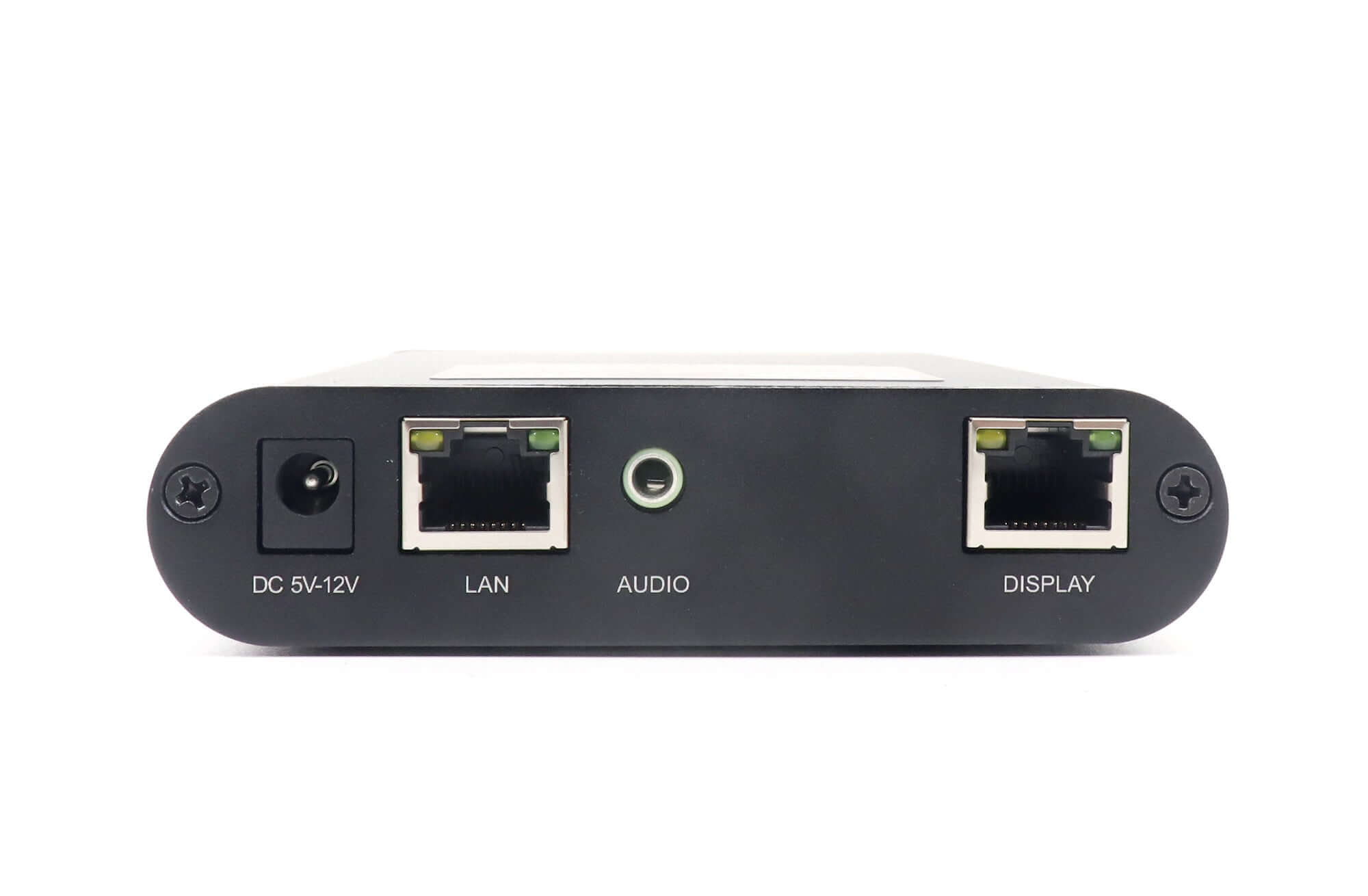
AutoLED supports receiving-card parameter readback, cable error-rate detection and communication monitoring. For the documented DY75 hardware, an unlit green U1 indicator means no Gigabit Ethernet signal; slow flashing indicates no DVI input and fast flashing indicates DVI input.
| Weight | N/A |
|---|
Be the first to review “Mooncell T-75EB / DY75 Full-Color LED Receiving Card”
You must be logged in to post a review.
Will I be charged with customs and taxes?
The prices displayed on our site are tax-free (in US Dollars), which means you may be required to pay import duties and taxes once you receive your order. Import taxes, duties, and related customs fees will be determined by your local customs office when your order arrives at its final destination.
Please note that these additional charges and taxes are your responsibility, and we do not take any responsibility for them. We are not liable for paying or reimbursing any customs duties, taxes, or related fees. For more details on these charges, please contact your local customs office.
Shipping
We can ship to virtually any address in the world. Note that there are restrictions on some products, and some products cannot be shipped to international destinations..
When you place an order, we will estimate shipping and delivery dates for you based on the availability of your items and the shipping options you choose. Depending on the shipping provider you choose, shipping date estimates may appear on the shipping quotes page.
Please also note that the shipping rates for many items we sell are weight-based. The weight of any such item can be found on its detail page. To reflect the policies of the shipping companies we use, all weights will be rounded up to the next full pound..
Returns Policy
You may return most new, unopened items within 30 days of delivery for a full refund. We'll also pay the return shipping costs if the return is a result of our error (you received an incorrect or defective item, etc.)..
You should expect to receive your refund within four weeks of giving your package to the return shipper, however, in many cases you will receive a refund more quickly. This time period includes the transit time for us to receive your return from the shipper (5 to 10 business days), the time it takes us to process your return once we receive it (3 to 5 business days), and the time it takes your bank to process our refund request (5 to 10 business days).
If you need to return an item, simply login to your account, view the order using the "Complete Orders" link under the My Account menu and click the Return Item(s) button. We'll notify you via e-mail of your refund once we've received and processed the returned item..
Related products




Reviews
There are no reviews yet.