


Linsn RV801D LED Panel Receiving Card
Original price was: $ 45.00.$ 43.20Current price is: $ 43.20.
Linsn RV801D LED receiving card listing with 16 RGB signal groups, hub-board connection and LEDStudio configuration. Confirm the exact board power rating.
5 in stock
The Linsn RV801D receives signals from a compatible sending card and passes module data through a suitable hub board. The original description uses the RV801 family name, so check the RV801D board revision and interface before replacing an installed receiver. Loading width depends on refresh rate, grayscale and the module driver scan clock.
Technical specifications
| Parameter | Specification |
|---|---|
| Listed model | RV801D; original specification text refers to RV801 |
| Listed sender examples | TS801, DS801, TS802 and DS802 |
| RGB signals | 16 groups |
| Maximum listed height | 256 pixels |
| Loading width | Depends on refresh rate, grayscale and scan clock |
| Module connection | Through a compatible hub board |
| Configuration / update | Computer settings and LEDStudio online program update |
| Power information | Original listing says 5–16 V, 2 A; not independently verified for RV801D. Confirm the board rating before applying power. |


Frequently asked questions
What determines the RV801D loading width?
The original listing makes width dependent on refresh rate, grayscale and the LED driver scan clock. It gives a maximum height of 256 pixels rather than one fixed total resolution.
Does the RV801D connect directly to every LED module?
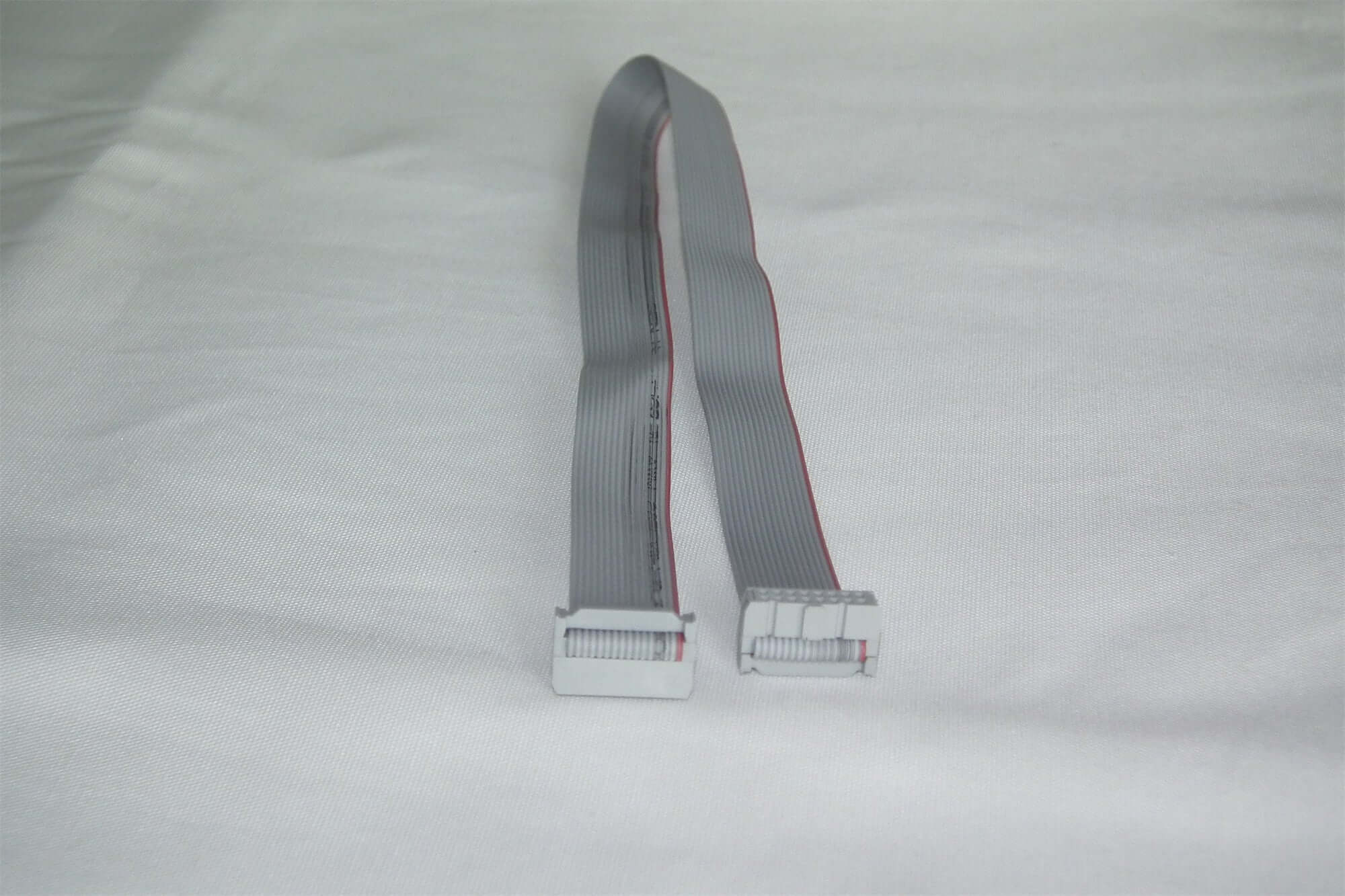
The listing describes using a hub board to route the receiver signals. Select the hub and pinout for the actual module.
Can I use the original 5–16 V power figure without checking the board?
That figure has not been independently verified for the RV801D version. Use the exact board marking or its confirmed specification before connecting a supply.
| Weight | 0.35 kg |
|---|
Be the first to review “Linsn RV801D LED Panel Receiving Card”
You must be logged in to post a review.
Will I be charged with customs and taxes?
The prices displayed on our site are tax-free (in US Dollars), which means you may be required to pay import duties and taxes once you receive your order. Import taxes, duties, and related customs fees will be determined by your local customs office when your order arrives at its final destination.
Please note that these additional charges and taxes are your responsibility, and we do not take any responsibility for them. We are not liable for paying or reimbursing any customs duties, taxes, or related fees. For more details on these charges, please contact your local customs office.
Shipping
We can ship to virtually any address in the world. Note that there are restrictions on some products, and some products cannot be shipped to international destinations..
When you place an order, we will estimate shipping and delivery dates for you based on the availability of your items and the shipping options you choose. Depending on the shipping provider you choose, shipping date estimates may appear on the shipping quotes page.
Please also note that the shipping rates for many items we sell are weight-based. The weight of any such item can be found on its detail page. To reflect the policies of the shipping companies we use, all weights will be rounded up to the next full pound..
Returns Policy
You may return most new, unopened items within 30 days of delivery for a full refund. We'll also pay the return shipping costs if the return is a result of our error (you received an incorrect or defective item, etc.)..
You should expect to receive your refund within four weeks of giving your package to the return shipper, however, in many cases you will receive a refund more quickly. This time period includes the transit time for us to receive your return from the shipper (5 to 10 business days), the time it takes us to process your return once we receive it (3 to 5 business days), and the time it takes your bank to process our refund request (5 to 10 business days).
If you need to return an item, simply login to your account, view the order using the "Complete Orders" link under the My Account menu and click the Return Item(s) button. We'll notify you via e-mail of your refund once we've received and processed the returned item..
Related products




Reviews
There are no reviews yet.