
NovaStar MRV532 LED Receiving Card | 10 HUB320F Ports
$ 17.00
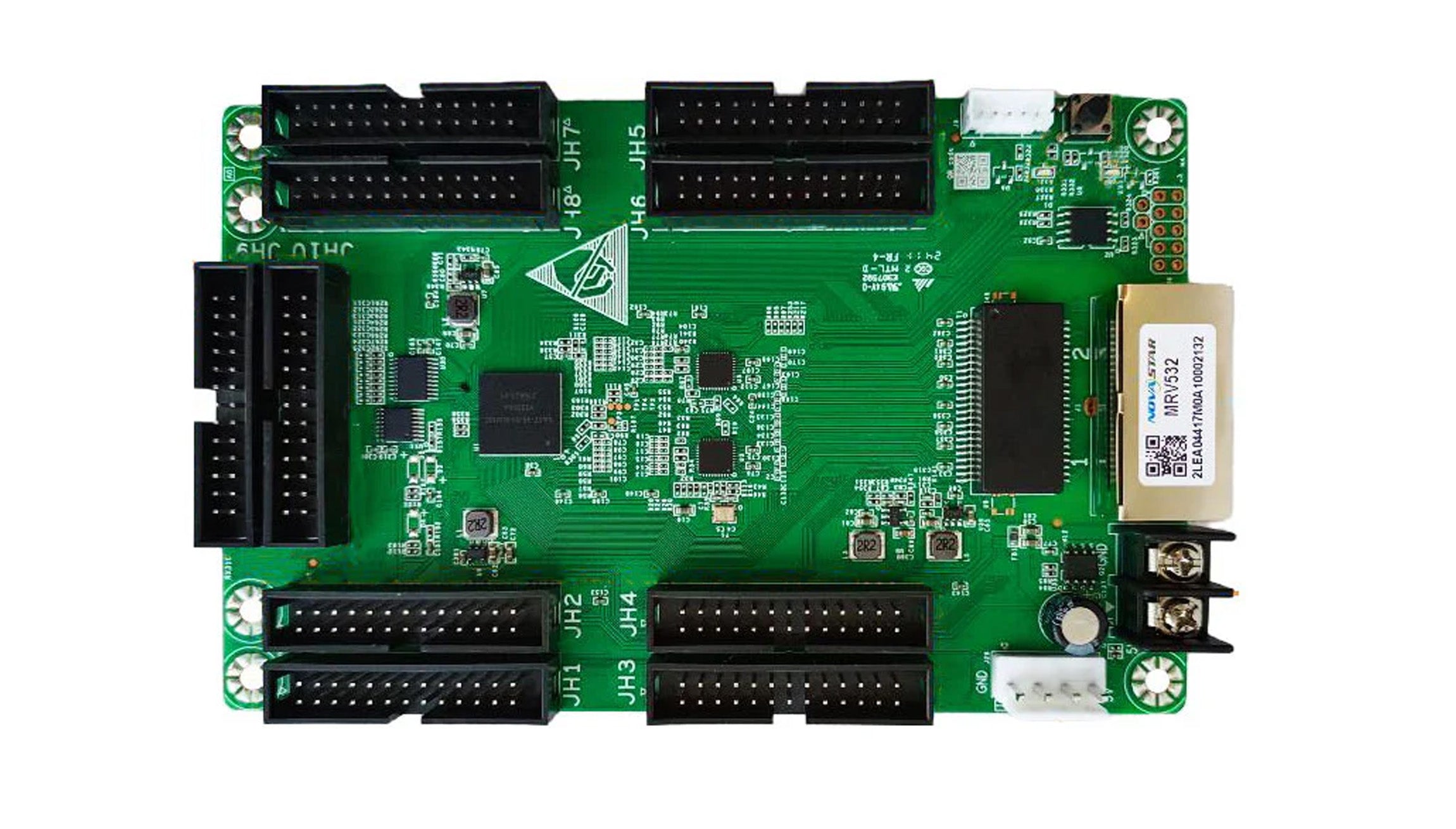
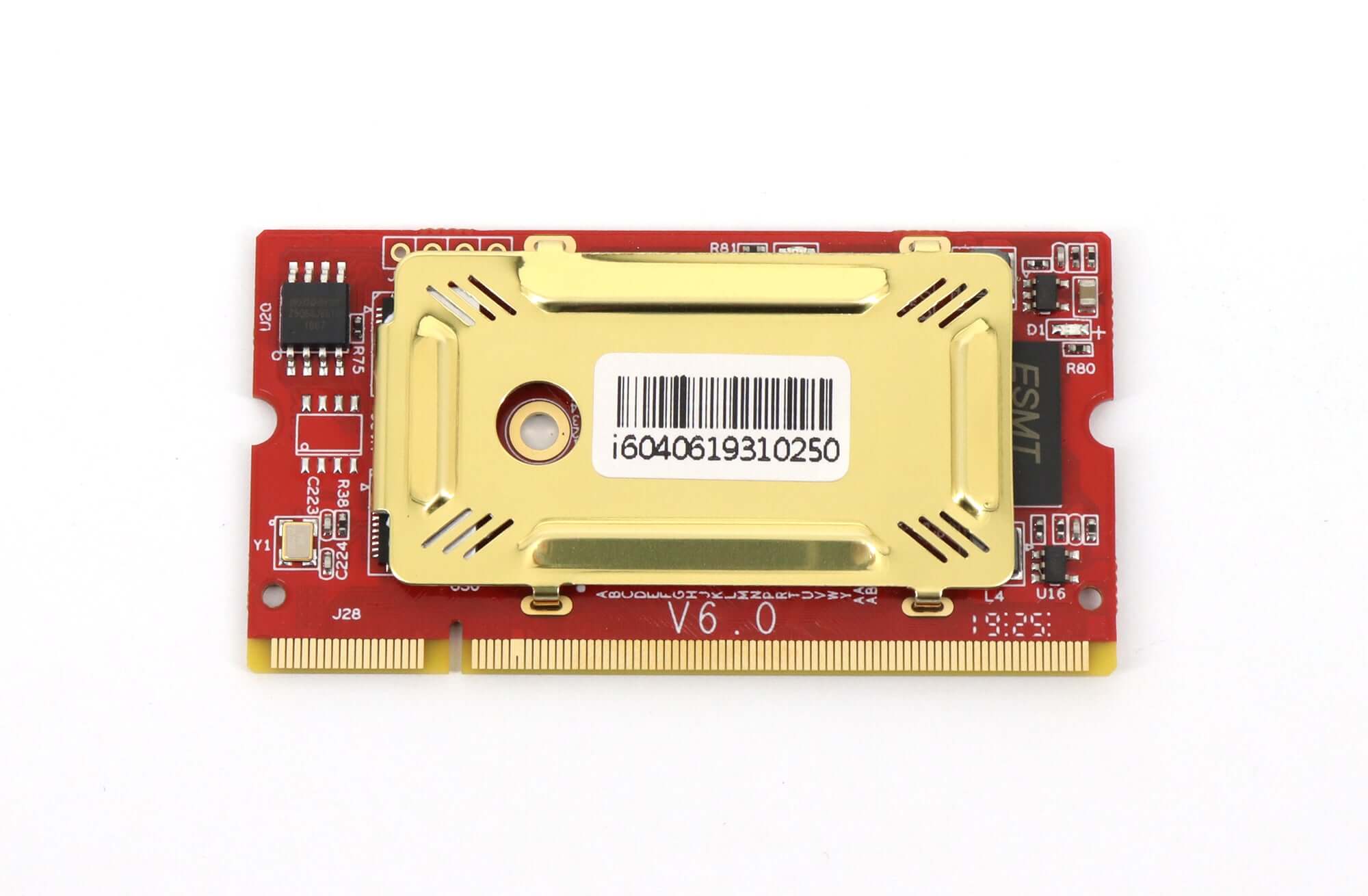
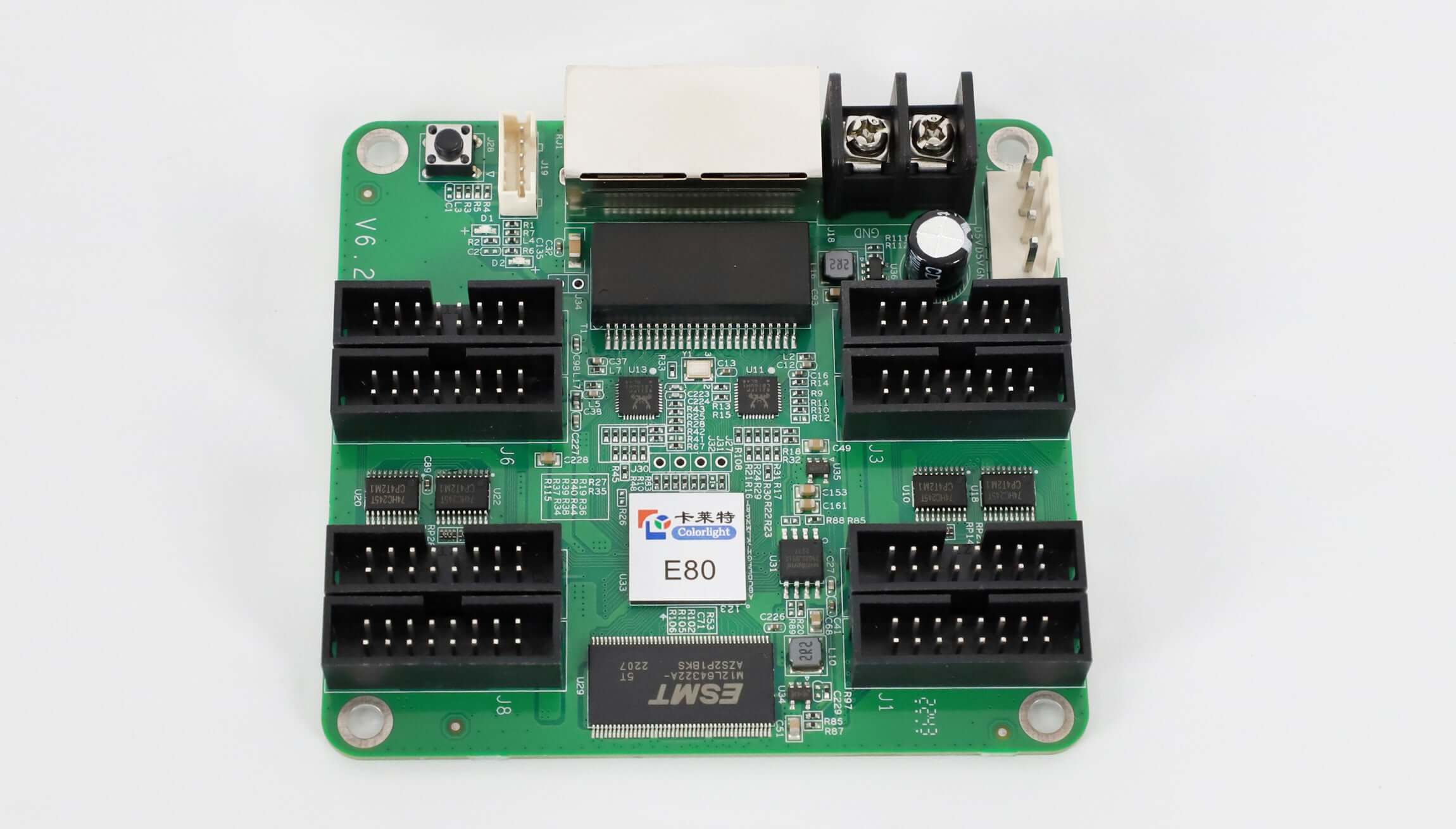
The NovaStar MRV532 LED receiving card uses ten HUB320F connectors and supports RGB real-pixel or dynamic sub-pixel data. Load capacity depends on driver IC and source bit depth; the versioned table below separates those conditions.
998 in stock
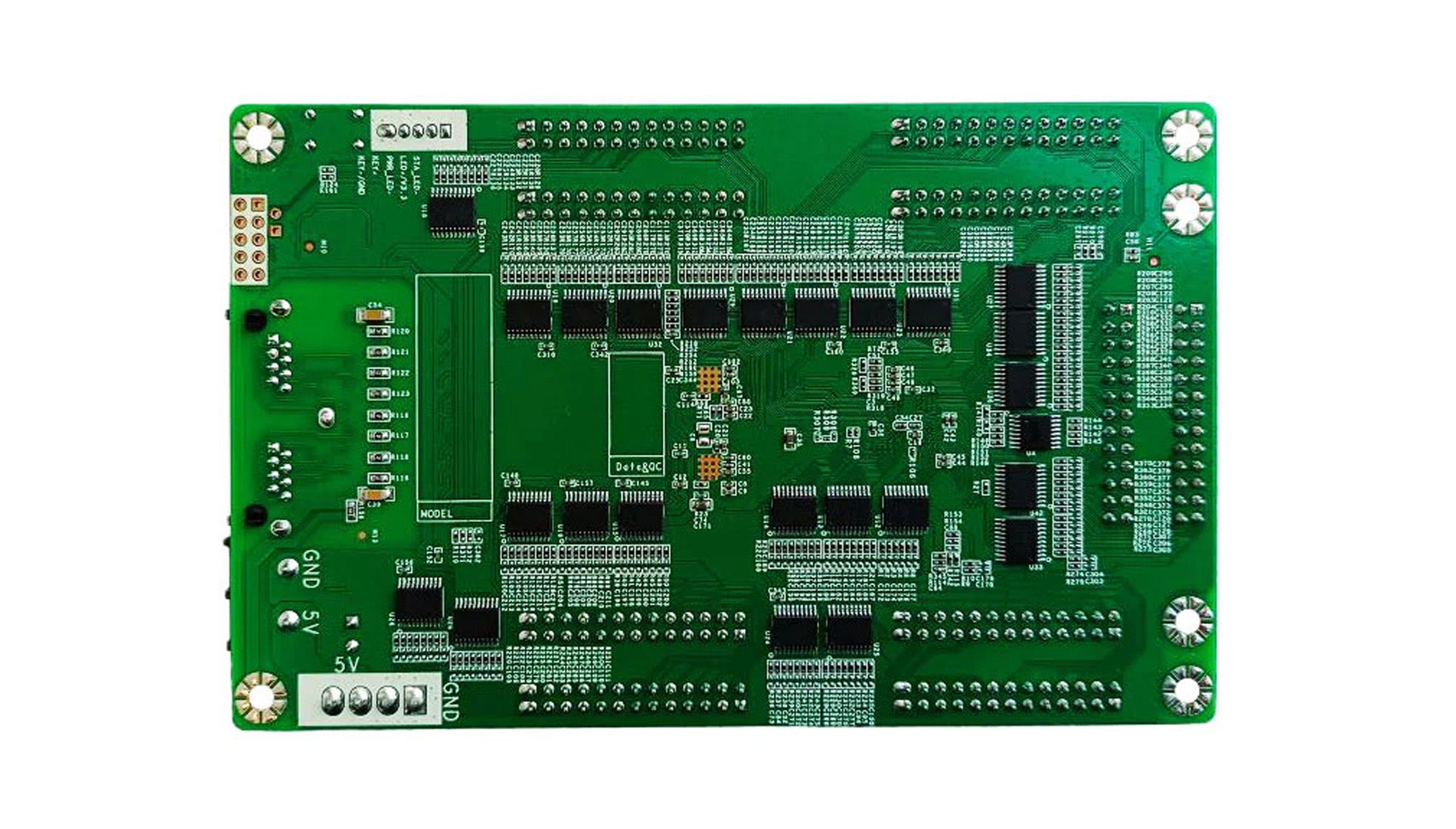
NovaStar MRV532 HUB320F LED receiving card
The MRV532 connects LED modules through ten HUB320F interfaces. It supports up to 40 groups of RGB real-pixel data, 40 groups of 3-LED dynamic sub-pixel data, or 30 groups of 4-LED dynamic sub-pixel data. Its calibration and image-adjustment functions address brightness, color and cabinet-to-cabinet consistency.
Check driver IC and bit depth before planning capacity
Specification revision matters: The earlier listing stated 512 × 512 at 60 Hz for 8-bit sources and 512 × 384 at 60 Hz for 10/12-bit sources with PWM driver ICs. NovaStar’s later V1.2.0 specification, dated May 20, 2025, lists the conditions below. The earlier value is not treated as a universal limit for every MRV532 configuration. Confirm the applicable firmware, controller and driver IC for the supplied card.
| Parameter | Specification |
|---|---|
| PWM driver IC, 8-bit source | 512 × 512 @ 60 Hz |
| PWM driver IC, 10/12-bit source | 512 × 256 @ 60 Hz |
| Common driver IC, 8-bit source | 512 × 384 @ 60 Hz |
| Common driver IC, 10/12-bit source | 256 × 256 @ 60 Hz |
MRV532 hardware specifications
| Parameter | Specification |
|---|---|
| Module interfaces | 10 × HUB320F |
| Data output | Up to 40 RGB real-pixel groups, 40 three-LED dynamic sub-pixel groups, or 30 four-LED dynamic sub-pixel groups |
| Line decoding | A, B and C signals supported; D and E not supported |
| Input voltage | DC 3.8–5.5 V |
| Rated current / power | 0.5 A / 2.5 W |
| Operating environment | −20 to +70 °C; 10–90% RH, non-condensing |
| Storage environment | −40 to +85 °C; 0–95% RH, non-condensing |
| Dimensions | 146.0 × 91.5 × 19.3 mm |
| Net weight | 99.5 g, receiving card only |
| Data connection | Gigabit Ethernet ports for the sending card and receiving-card cascade; either connector can serve as input or output |
Image adjustment and feature requirements
- Pixel-level brightness and chroma calibration using NovaStar’s calibration system.
- Quick adjustment of dark or bright module/cabinet lines, plus multi-batch brightness adjustment.
- Color management, 18bit+, HDR10/HLG and individual RGB gamma adjustment as documented in V1.2.0.
- Rotation in 90° increments; free-angle rotation requires the dedicated MCTRL R5 controller and SmartLCT.
- Low latency of one frame at the receiving-card end only when the module driver IC has built-in RAM.
- 3D output requires a controller that supports 3D.
The earlier page described TU-series mobile-app seam correction. The specification change history records the removal of seam brightness correction in V1.1.0. For this reason, that older app-based workflow is not presented as a universal current feature. Quick dark/bright-line adjustment remains listed in V1.2.0.
Module servicing and diagnostics
Module Flash management supports storage and readback of calibration coefficients and module IDs for modules with flash memory. Smart-module functions and module auto light-up require dedicated firmware. Other documented service features include configuration and firmware readback, temperature/voltage monitoring, Ethernet bit-error detection, stored-image settings and backup functions.
Frequently Asked Questions
How many pixels can an MRV532 receiving card load?
It depends on driver IC and source bit depth. V1.2.0 lists PWM limits of 512 × 512 at 60 Hz for 8-bit and 512 × 256 at 60 Hz for 10/12-bit. For common driver ICs, it lists 512 × 384 and 256 × 256 respectively. Check the version and system configuration.
Which LED module connectors does the MRV532 use?
It uses ten HUB320F connectors. The specification provides separate pin assignments for RGB/three-LED sub-pixel and four-LED sub-pixel data, so match the module wiring to the selected mode.
Does the MRV532 support low latency?
The documented receiving-card latency can be reduced to one frame only with module driver ICs that have built-in RAM. This is a receiving-card-end condition, not a guarantee of whole-system latency.
Can the MRV532 rotate the displayed image?
It supports 0°, 90°, 180° and 270° rotation. V1.2.0 additionally documents arbitrary-angle rotation when used with MCTRL R5 and SmartLCT.
Do smart-module features work with every firmware version?
No. V1.2.0 marks smart-module support and module auto light-up as requiring dedicated firmware. Confirm the firmware and module Flash requirements for the specific cabinet.
Product image

Original specification download
MRV532 receiving card specification (PDF)
The original download is retained. The versioned tables on this page identify the later NovaStar V1.2.0 reference used for those values; check the revision of any downloaded copy before applying its settings.
| Weight | 0.3 kg |
|---|
Be the first to review “NovaStar MRV532 LED Receiving Card | 10 HUB320F Ports”
You must be logged in to post a review.
Will I be charged with customs and taxes?
The prices displayed on our site are tax-free (in US Dollars), which means you may be required to pay import duties and taxes once you receive your order. Import taxes, duties, and related customs fees will be determined by your local customs office when your order arrives at its final destination.
Please note that these additional charges and taxes are your responsibility, and we do not take any responsibility for them. We are not liable for paying or reimbursing any customs duties, taxes, or related fees. For more details on these charges, please contact your local customs office.
Shipping
We can ship to virtually any address in the world. Note that there are restrictions on some products, and some products cannot be shipped to international destinations..
When you place an order, we will estimate shipping and delivery dates for you based on the availability of your items and the shipping options you choose. Depending on the shipping provider you choose, shipping date estimates may appear on the shipping quotes page.
Please also note that the shipping rates for many items we sell are weight-based. The weight of any such item can be found on its detail page. To reflect the policies of the shipping companies we use, all weights will be rounded up to the next full pound..
Returns Policy
You may return most new, unopened items within 30 days of delivery for a full refund. We'll also pay the return shipping costs if the return is a result of our error (you received an incorrect or defective item, etc.)..
You should expect to receive your refund within four weeks of giving your package to the return shipper, however, in many cases you will receive a refund more quickly. This time period includes the transit time for us to receive your return from the shipper (5 to 10 business days), the time it takes us to process your return once we receive it (3 to 5 business days), and the time it takes your bank to process our refund request (5 to 10 business days).
If you need to return an item, simply login to your account, view the order using the "Complete Orders" link under the My Account menu and click the Return Item(s) button. We'll notify you via e-mail of your refund once we've received and processed the returned item..
Related products
Reviews
There are no reviews yet.