
LED商城博客
MON300 LED Monitoring: Can It Detect Every Failed LED?
十一月
MON300 LED monitoring does not mean that every failed LED in any cabinet will be detected. The published LED open-circuit function depends on a supporting driver IC and hub board, as well as the specified receiving-card arrangement. Buying the monitor card alone does not approve an existing cabinet.
For an AV integrator assessing a monitoring retrofit, the useful question is which faults the proposed combination can identify. A cabinet that displays a normal picture has demonstrated its image path. That observation does not establish that its diagnostic path can report an LED fault.
This explanation uses NovaStar’s MON300 Monitoring Card Specifications V2.2.0, released June 26, 2024. It separates documented functions from the evidence a buyer should request. The cabinet examples are hypothetical purchasing situations, not reports of field tests or claims about a supplied unit.
1. Read the MON300 LED monitoring claim with its conditions
The specification names MRV320 and MRV560 receiving cards. It describes open-circuit detection for individual LEDs when the driver IC and hub board support that function. It also lists flat-cable fault detection with a supporting hub board. These are conditional capabilities, rather than a promise to diagnose every possible display defect.
Use MON300 LED monitoring as a defined requirement in the purchase order. “LED fault detection included” is too broad when the supplier has not identified the fault category or the cabinet hardware. The following checks help turn that phrase into questions with reviewable answers.
| 需求 | 發布條件 | 批准前需提供的證據 |
|---|---|---|
| Receiving-card arrangement | MRV320 or MRV560 named in V2.2.0 | Exact receiver identification, including its suffix and hardware revision |
| LED open-circuit detection | Supporting driver IC and hub board required | Module driver identification and confirmation for the proposed hub assembly |
| Flat-cable fault detection | Supporting hub board required | Applicable hub model and a documented diagnostic demonstration |
| A broader fault-detection promise | Not established by the functions above | A separate applicable manufacturer reference and agreed acceptance criteria |
2. Separate a working picture from verified diagnostics
A normal video demonstration answers a different question from a fault report. The first shows that the assembled display can produce that picture under the demonstrated settings. The second must show that a defined diagnostic condition is recognized and reported through the proposed monitoring arrangement.
For MON300 LED monitoring, keep those two results separate in the acceptance record. A clear photograph of the screen cannot stand in for evidence of the reported fault, its cabinet identity and the components used. Likewise, a software screen with a status value needs enough context to identify what was connected.
Consider a hypothetical retrofit quote that names a supported receiver but leaves the hub board unspecified. The quote has answered one compatibility question and left another open. The buyer should ask for the missing hub identification and function confirmation, rather than treating the receiver name as approval for the entire cabinet.
Another hypothetical proposal may offer temperature information while the original requirement is LED open-circuit detection. A successful temperature demonstration would not establish the requested LED function. The acceptance sheet should name the required observation directly, so that two parties do not approve different meanings of “monitoring.”
MON300 LED monitoring also should not be used as an explanation for every visible defect. If the required fault category is outside the documented scope, ask the supplier to identify the appropriate diagnostic method. Do not turn an incomplete capability statement into a guarantee that every dark pixel, color error or intermittent symptom will be classified.
3. Identify the parts behind the promise
Begin with records the integrator can tie to an actual cabinet: the receiving-card label, module driver IC, hub-board identification and relevant hardware revisions. A commercial cabinet name may cover more than one component arrangement. Photographs and a bill of materials are useful when they can be matched to the same proposed unit.
Ask for written confirmation of the exact combination, rather than a general statement that all NovaStar products work together. If a board marking differs from the quotation, resolve the difference before approving the order. Keep an unresolved item visible; do not substitute the closest-looking model from a catalog.
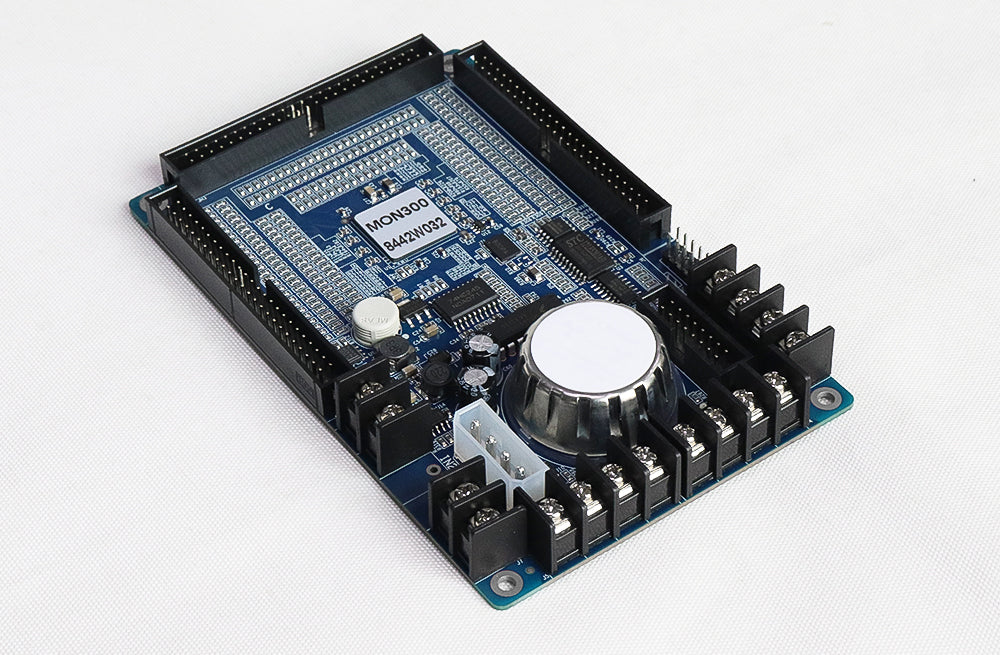
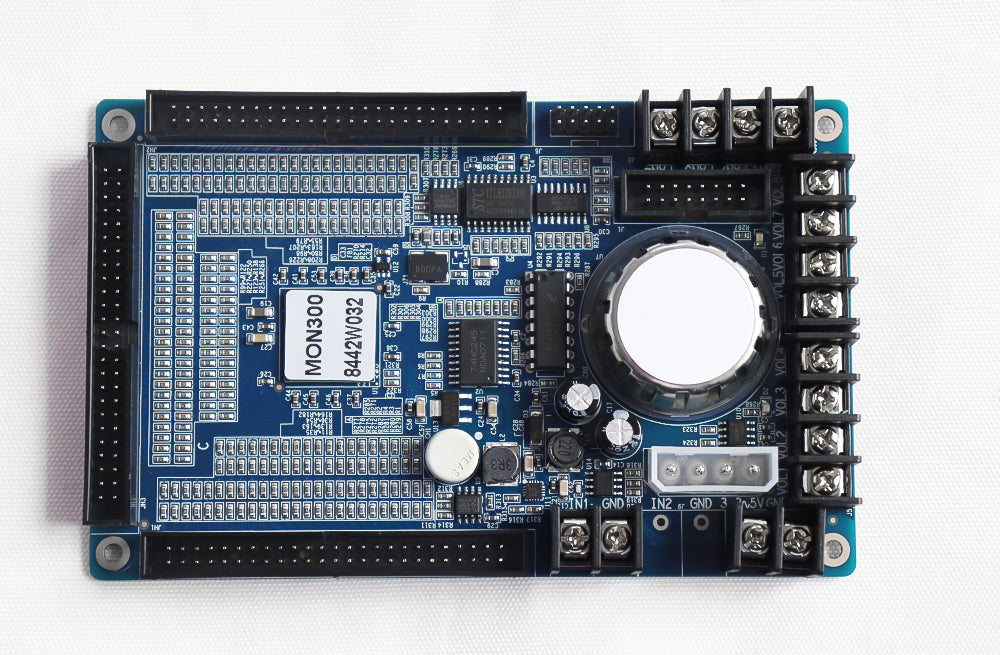
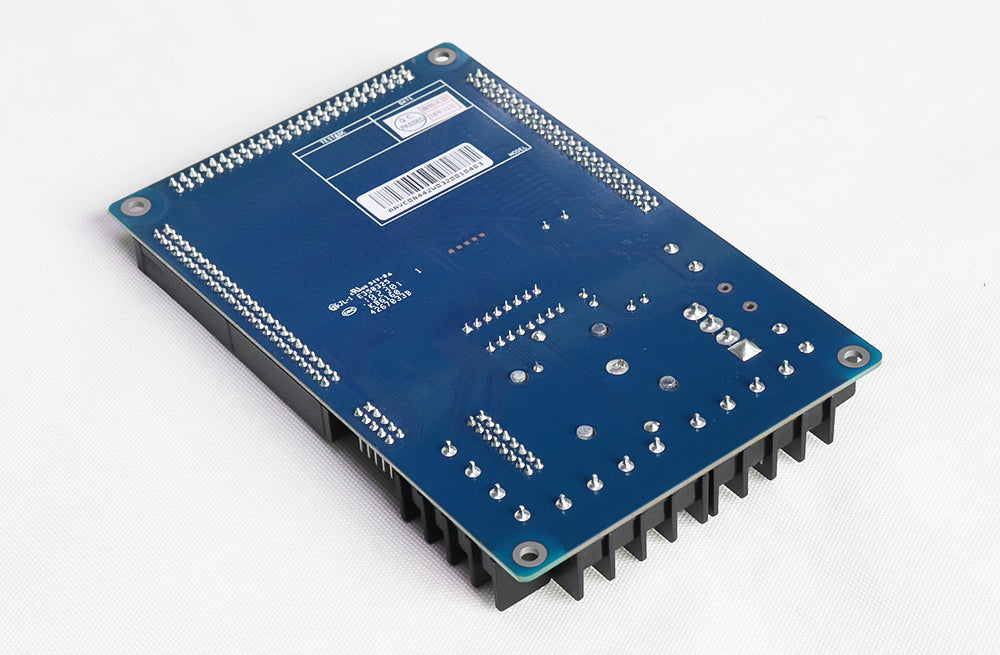
这 LED Mall MON300 product page provides a starting point for identifying the item. A product listing and photograph do not document the driver IC or hub board inside the buyer’s cabinet. The order still needs a configuration-specific answer.
Keep MON300 LED monitoring separate from a brightness-control purchase. Our MFN300 light-sensor explanation addresses a different control question. Linking the two discussions does not make the devices interchangeable or establish that an ambient-light accessory supplies LED diagnostics.
Also request the relevant firmware and software versions in the proposed configuration record. This is a traceability step, not a claim that one universal update enables the function. If a supplier relies on an update or a special configuration, ask which manufacturer documentation supports that claim and how it will be verified.
If the project contains several cabinet families, do not let one representative result approve all of them. List the differences in receiver, module and hub combinations, then ask which combination the supplier actually checked. Cabinets with an unresolved component difference should remain separate items in the approval record. This makes a mixed installation visible to purchasing staff instead of hiding it behind a single screen model or an overall cabinet count.
4. Agree what counts as an accepted result
Define the result before a demonstration. A useful record identifies the cabinet, required fault type, receiver, module driver, hub board and versions. It should distinguish normal operation from the condition being demonstrated, and retain the corresponding diagnostic result with the same cabinet identifier.
For MON300 LED monitoring, a demonstration should address the function named in the order. Have the supplier use a manufacturer-approved test method appropriate to that assembly. Agree the procedure and operating conditions with the supplier, then retain them beside the diagnostic result. A purchasing checklist should not substitute for the assembly-specific test instructions.
Write down what an inconclusive result means. For example, if the supplier cannot identify the hub or cannot demonstrate the requested report, that requirement remains unverified. An unfinished test should not silently become approval because the display can still play a video.
Keep the accepted component list with the maintenance records. Replacing a module or hub later changes the evidence behind the original approval. Before assuming the diagnostic result carries over, compare the replacement identification with the approved arrangement and obtain confirmation for any material difference.
MON300 LED monitoring is easier to purchase clearly when supply and verification have separate lines in the scope. State whether the quote includes only the card, the required compatible assembly, configuration work, or a documented demonstration. That distinction helps purchasing staff compare proposals without inventing a price for work that has not been defined.
常見問題
Does an MRV560 suffix automatically preserve the documented compatibility?
Do not assume it does. The cited specification names MRV560. A differently suffixed product needs its own applicable documentation or confirmation for the proposed assembly. A similar name is not evidence of the same supported monitoring arrangement.
Does the monitor card repair the LEDs it reports?
A detection requirement and a repair scope are different purchasing items. Ask who will investigate the reported condition, provide replacement parts and perform any agreed service. Do not interpret MON300 LED monitoring as a repair commitment from the card supplier.
Can MON300 be conformally coated for a cabinet upgrade?
The V2.2.0 specification says not to apply conformal coating to the MON300 surface because its humidity-monitoring function may fail. Ask the supplier to review the intended cabinet treatment rather than assuming the same coating process is suitable for every board.
Request a cabinet monitoring check
Send the receiver label, module driver identification, hub-board photographs, proposed versions and the exact fault types you need to identify through LED商城查詢頁面. State whether the requirement is a new assembly or a retrofit. A MON300 LED monitoring request with those details gives the supplier a concrete configuration to assess and a clear list of unresolved conditions.