

LEDMall blog
Kültéri LED jelkábel aljzat: 90° vagy 180°?
November
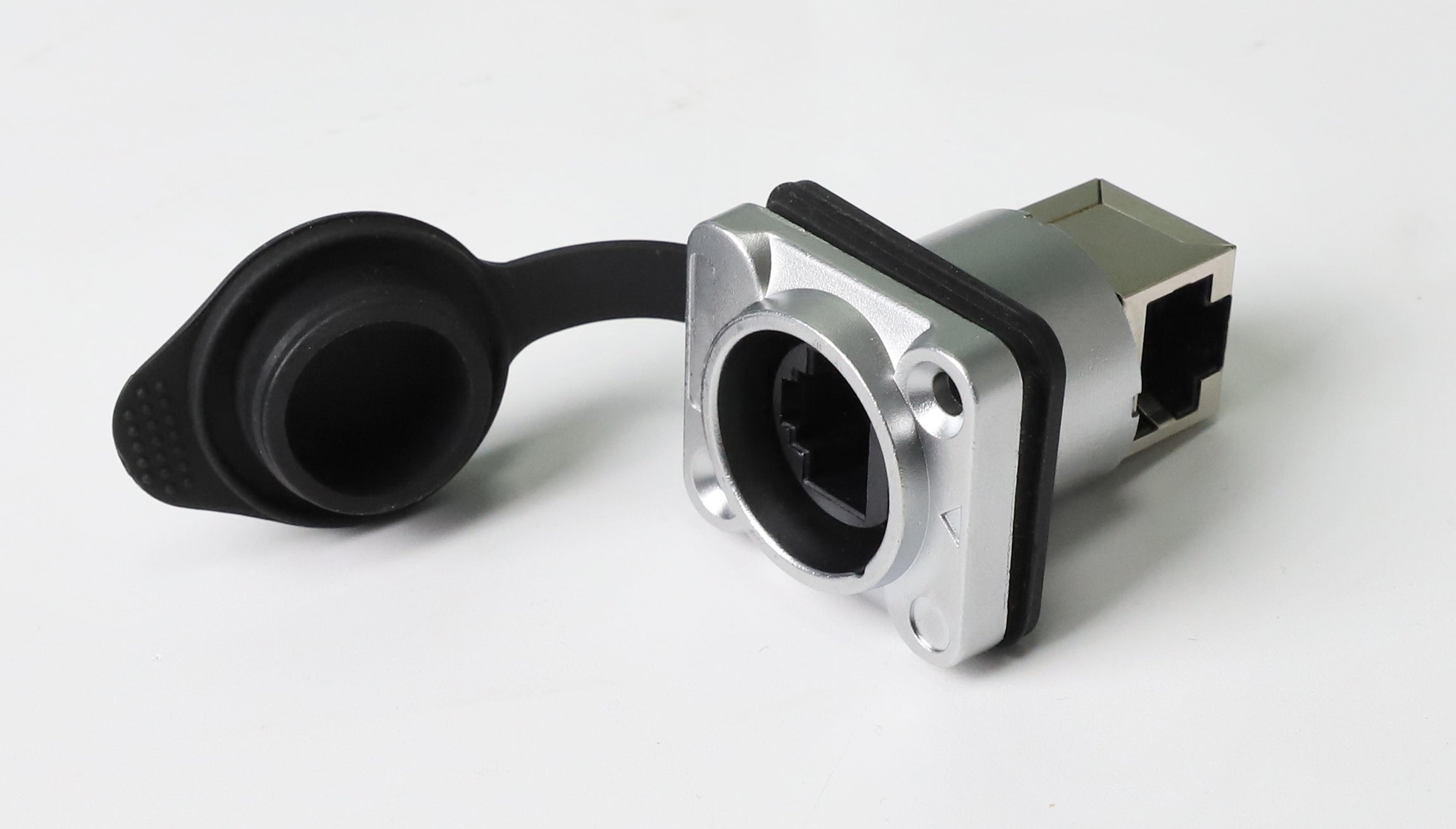
Choose an outdoor LED signal cable socket by the direction the matching plug and cable must take with the cabinet closed. LED-Mall lists 90° and 180° EagerLED versions. Get the drawing for the offered socket, confirm the reference face for the angle and check the full mated assembly against your enclosure. A catalog photo and an angle label can help identify the options. A drawing and a sample are what let a cabinet designer approve the fit.
This comparison is for an installer or cabinet builder buying a panel-mounted signal connection. Bring the panel cutout, the routing space behind it, the external plug and the intended service access to the review. Where a project has a weather or sealing requirement, verify that the actual assembly and enclosure preserve the required protection in the states in which they will be used.
1. Read the outdoor LED signal cable socket drawing first
01. Identify the mounting face and the cable exit
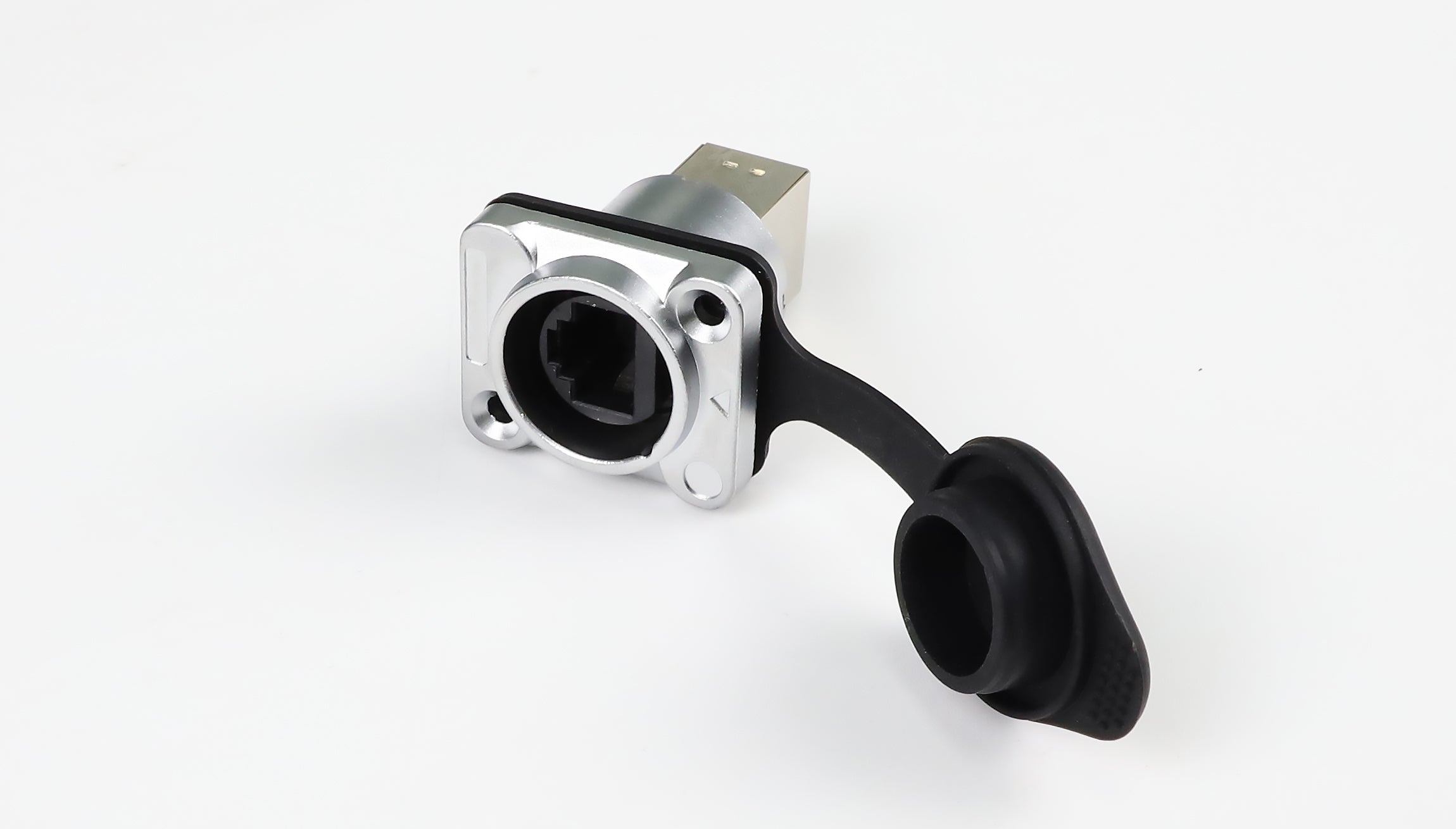
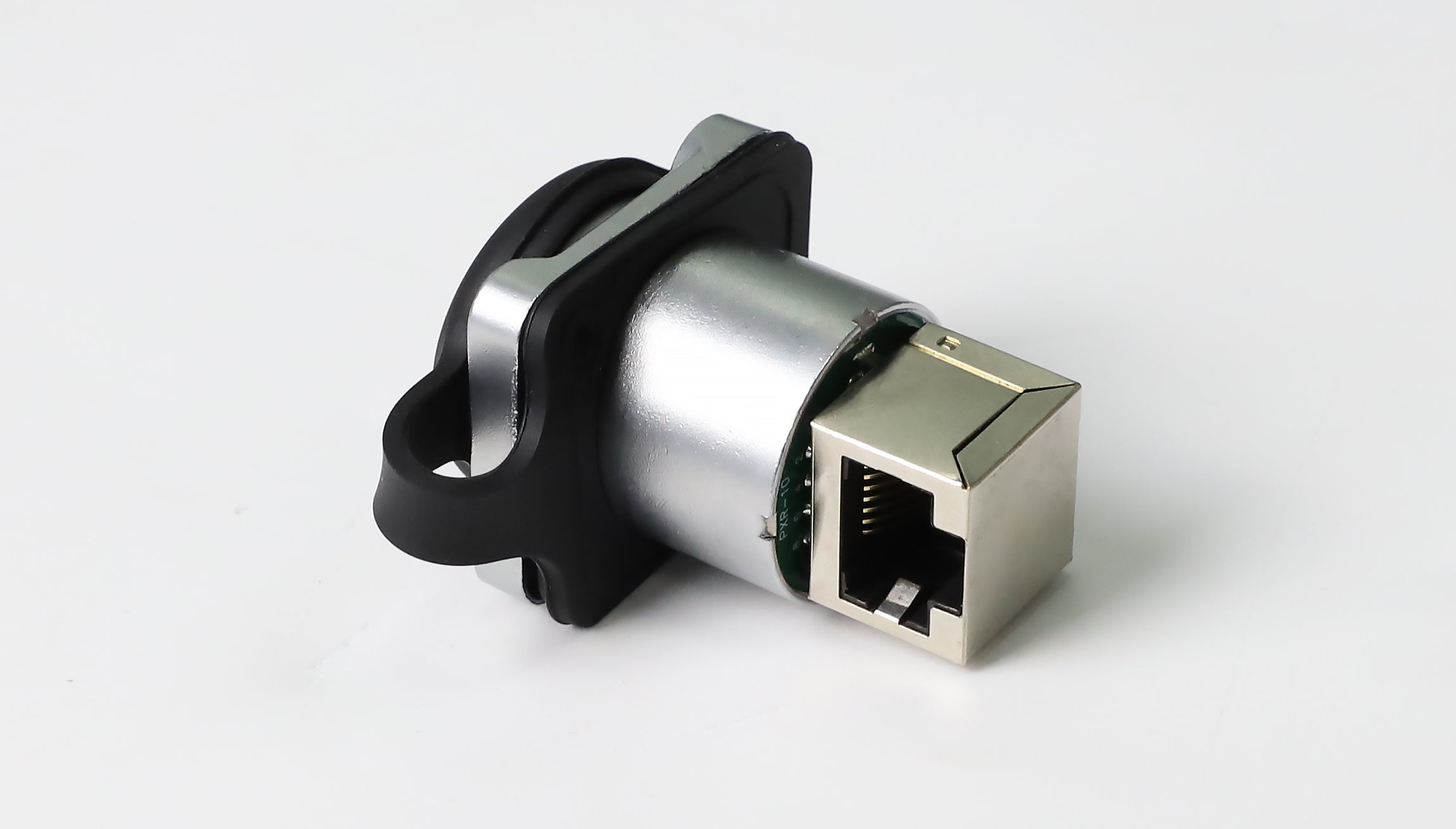
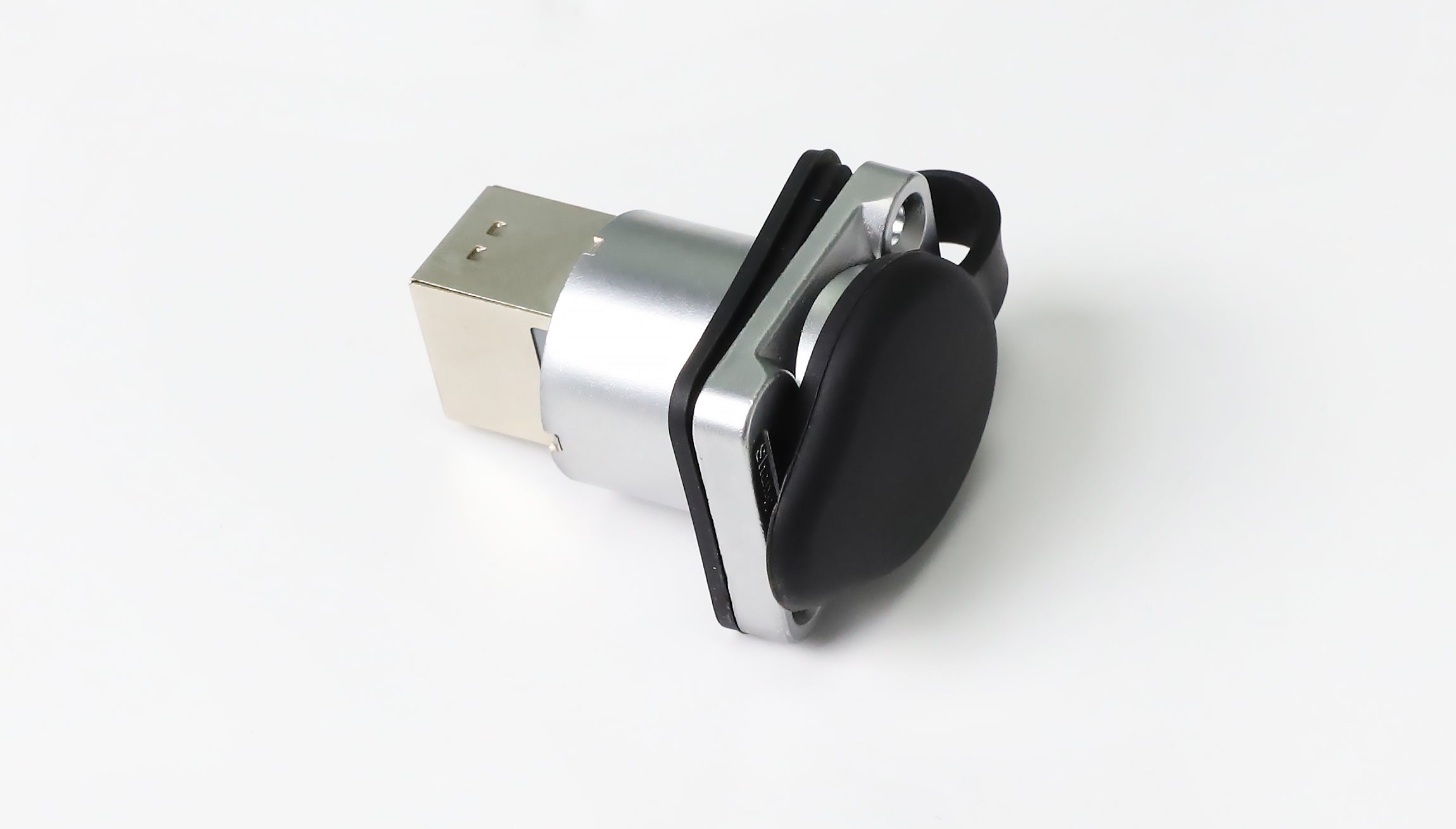
LED-Mall has dedicated listings for the 90 ° EagerLED foglalat és a 180 ° EagerLED foglalat. These names identify the two catalog pieces. Ask the vendor to show the face that mounts against the cabinet and the direction the internal connection or lead takes when the socket is installed. Mark both on your drawing. A right-angle route can be useful where a cable must turn alongside the enclosure wall. An exit in line with the panel-side connection may suit a cabinet that has a clear path in that direction. Use the offered drawing to confirm which product provides the path you intend.
Ask the designer and supplier to use the same view of the enclosure. For example, photograph the cabinet opening from the inside and mark “door side” and “top.” On a separate drawing, give the cutout size and show the desired exit arrow. A vendor looking from the outside can describe the same exit as left when an installer looking from the inside calls it right. Labeling both faces helps the vendor resolve what your drawing means without guessing from the order description.
02. Find where clearance is actually limited
Before choosing an outdoor LED signal cable socket, identify whether the obstruction sits directly behind the panel, along the cabinet wall or on the outside where the plug must be removed. Clearance has a location and a direction. A deep box can still have a shallow pocket behind a socket if a power supply is mounted across from it. A shallow box can have a broad path along the panel if the nearby cover and hardware leave room. Mark the path through the local cabinet area rather than relying on the external depth in the enclosure name.
| What you see on the cabinet | Mit kell összehasonlítani | What proves the choice |
|---|---|---|
| A plate directly behind the panel opening | Compare depth behind the panel and whether the offered 90° or 180° assembly can use a side route. | A marked-up drawing with the socket body, lead and nearest obstruction shown together. |
| An open path behind the socket | Compare both variants in the intended installed orientation, including where the lead must turn farther back. | A drawing that gives room for the mating component and approved cable bend. |
| A narrow lane along the panel edge | Check the full swing and support room required before turning the cable into the lane. | A sample closes without touching the cable or its strain relief. |
| Two ports next to a frame member | Check access for locking, unlocking and removing the plug beside the frame and adjoining cable. | All ports can be serviced in the installed cabinet using the approved tools. |
| An outdoor panel with defined sealing requirements | Confirm the offered mating and panel-seal parts for the expected operating and service states. | Manufacturer documentation and cabinet-level approval cover your exact fitted assembly. |
2. Measure the whole mated assembly
01. Give each drawing number a reference point
Ask for dimensions for the outdoor LED signal cable socket flange, panel cutout, fixing pattern and allowed panel thickness. Obtain the body projection from the mounting face and an outline for both the mating plug and its strain relief. Draw them from the same zero point. If a figure includes the plug already, use it as the assembled projection. If the projection is for the empty socket, add only the portion of the plug or lead that extends past that reference. This keeps the dimensions useful when different sheets show different stages of assembly.
A hypothetical cabinet has 54 mm (2.13 in) of room behind its mounting face before the service cover closes. A supplier drawing for one proposed mated assembly shows a total projection of 47 mm (1.85 in) before the cable begins to curve. That leaves 7 mm (0.28 in) in that direction. Set aside a separate amount for the intended cable route and opening movement. If the cabinet design needs a further 10 mm (0.39 in) at that point, this proposed layout falls short by 3 mm (0.12 in). These example dimensions are for explaining the comparison. They are not measurements of the LED-Mall items.
For a second hypothetical layout, a mechanical review shows a proposed assembly extending 32 mm (1.26 in) into the same 54 mm pocket and the approved cable route going into an open side lane. The available depth would then have 22 mm (0.87 in) of room before the cover. That is more space in one direction. Check the side lane for the body, cable and nearby mounting hardware before approving the assembly. A clean section on the depth drawing still leaves the lateral fit to verify.
02. Ask for the cable’s bend and support requirements
The outdoor LED signal cable socket and the cable each have their own fit requirements. Ask for the specified minimum bend radius for the exact cable and installation condition. On a layout drawing, show where the cable can begin to bend and where it will be supported. Avoid drawing the bend from the rear edge of the connector if its strain-relief tail extends farther. A technician should be able to route the cable in the available lane without pulling on the socket or using the cover to push it into place.
Check the cable at both extremes of normal access. On a hinged access panel, the cable path can change as the panel opens. On a removable cover, pay attention to the working space a technician needs to disconnect and reconnect the plug. Trace both positions on the section drawing or assess them with a representative assembly. Route and access constraints may be different for the second socket in a paired installation because the first cable already occupies part of the available space.
3. Check the plug, lock and sealing parts together
01. Order a mating pair you can identify
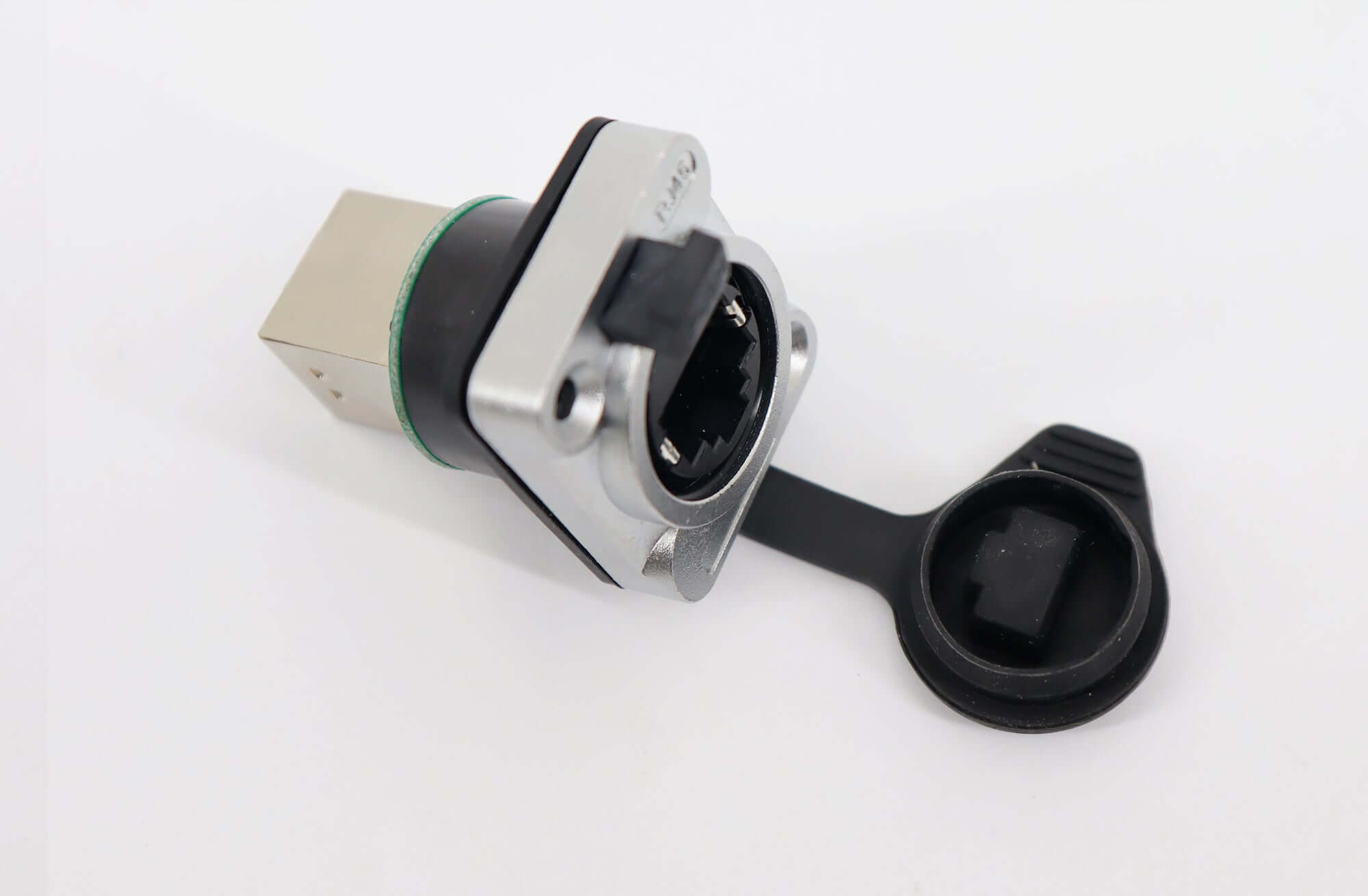
Az outdoor signal plug and socket product page lists a plug and 90° and 180° socket variants. Use it to locate the intended components. For the outdoor LED signal cable socket on your drawing, ask the supplier to identify the matching plug and confirm the body, locking mechanism and cable termination required for the offered part. If you are pairing it with a cable you already own, submit a photo of that plug, its label and any supplier part number. Confirm the match before buying a batch of sockets for a fleet of cabinets.
The phrase “same signal connector” is easy to put on an order and hard to check at delivery. Ask for a complete line item with the socket orientation and matching plug model, plus a list of any separately ordered seal, locking part or protective cover. Identify the internal lead part if the drawing calls for one. Where the hardware has a similar appearance to an earlier assembly, ask which revision is being supplied and request a photo of the actual offered part.
02. Confirm protection at the cabinet level
Use the documented protection requirement for the completed cabinet. Ask what applies with the outdoor LED signal cable socket mated, unmated or protected by a specified cap if your use case has each of those states. Identify the enclosure cutout, panel thickness, sealing arrangement and approved hardware on the same request. A condition stated for a component has to be checked against the actual assembly. If the vendor provides a rating for only one state, ask the enclosure designer to review how the cabinet is stored, transported and serviced in the other states.
Look at the outside of the finished cabinet too. Ensure the external plug can be operated while adjacent ports are occupied and the cabinet is in its installed position. On a service plan, note where a protective cover will go when the plug is connected and how a technician is expected to identify the signal connection in low light. These small details are easy to change in a drawing. They are harder to fix once brackets, seals and harnesses have been fitted across many cabinets.
4. Use one cabinet to approve the socket configuration
01. Evaluate the installed fit before ordering the batch
Ask the cabinet technician to assemble one representative sample through the approved service procedure. Use the actual panel material, the proposed outdoor LED signal cable socket, its matching plug and the intended cable. Check that the body and fastening hardware fit the cutout, that the mating parts can fully seat, and that the signal cable has support and room in the closed configuration. Repeat the access check with the neighboring parts and cables present. This tells you whether the proposed order covers the installation the service team will work on.
Give the technician a way to record the conditions rather than a single yes or no. Note which side was photographed, which cable was present and whether the cover was closed. If a cable touches a brace only when the cover moves, take the photo with that position and obstruction marked. If removing the external plug requires reaching around a frame, record whether a technician can complete that movement with the approved access arrangement. Keep the observations tied to the exact revision and initial quote.
| Értékelési elem | Mit kell rögzíteni | What to ask when the check is open |
|---|---|---|
| Aljzat és csatlakozó | Part numbers, orientation label, supplied revisions and matching cable. | Which exact combination does the vendor approve? |
| Panel interfész | Measured cutout, panel thickness, fixing points and approved sealing components. | Which revision of the drawing applies to the delivered part? |
| Beépített hézag | Photos of the open and closed assembly, projection behind the panel and nearby obstruction. | Can the cable keep its required radius and support throughout access? |
| Szolgálati mozgalom | Adjacent ports populated, plug access and cable-removal path. | Can one connection be serviced with the others in their installed positions? |
| Környezeti feltételek | Cabinet requirements and manufacturer evidence for the mated and relevant unused states. | Does the approved combination cover the actual operating and service conditions? |
02. Save the result so the spare can be reordered
Once the sample has passed the cabinet maker’s checks, tie the selected outdoor LED signal cable socket to the cabinet drawing, placement and mating assembly. Keep one picture of the installed orientation and the matching vendor quote. If a revised cabinet moves the socket to the other side or adds a brace, review the changed layout before carrying over the same item. An installer can use the recorded placement to determine which spare is approved for a specific cabinet position.
For a cabinet family that uses both orientations, give each position a stable name and show it on the drawing. Record which socket and matched connection belong at each position. Use separate pick lines for the two variants, even if they ship from the same vendor. Ask the supplier which package markings distinguish them and keep those details in the service stock record. This keeps the same two angles easy to identify during a time-limited field visit.
5. Quote each orientation against the cabinet position
Suppose a hypothetical order covers 20 cabinets. Each cabinet needs one reviewed side-exit assembly and one reviewed in-line assembly. Put 20 of each approved part on separate lines and list any matching plug and sealing components that are not included. If the project needs two spares for each position, request 22 of each paired configuration and mark the four spares separately. The quantities are a planning example. The parts themselves still come from the approved drawing and the exact outdoor LED signal cable socket quote.
If a technician is replacing only one socket in an installed cabinet, get the old part label, the cabinet revision and photos from both sides of the panel. Record which mating plug is already in service and ask the vendor to confirm the offered match. Include any details that would prevent an installer from changing the opening, moving a brace or substituting a complete harness. That helps the supplier distinguish a like-for-like spare request from a wider cabinet redesign.
For fleet replenishment, separate the approval of a model from the current order quantity. A cabinet family can share its opening and cutout but use different orientations at different positions. Give the buyer enough information to select the right pick line without guessing from an old photograph. If a vendor proposes a different assembly under the same angle label, request new dimensions and a sample review before updating the approved purchasing record.
Gyakran Ismételt Kérdések
Will a 90° outdoor LED signal cable socket always take up less cabinet depth?
Compare the offered drawing with the full plug, strain relief and cable route in place. The local direction and position of the first obstruction determine which geometry fits the cabinet.
Do the two socket angles use the same panel opening?
Ask for the exact drawing of each offered part. Confirm the cutout, fixing pattern and allowed panel thickness for the unit you intend to order before drilling or approving a replacement.
Can I reuse the outdoor plug I already stock?
Have the supplier confirm the match from the plug model, lock, termination and manufacturer documentation. A matching appearance leaves questions about the physical engagement and the documented sealing assembly.
Does the catalog word “outdoor” give the fitted cabinet an IP rating?
Request the exact component rating and the conditions under which it applies. The cabinet maker still needs to confirm that the panel seal, fitted hardware and relevant connected and unused states meet the project specification.
How should I mark the desired cable direction in a quote?
Show the mounting face on a drawing, identify whether the view is from inside or outside and add an arrow for the cable’s required route. Include the door, top edge or another fixed part as a reference.
Should I count the cable bend when I measure the cavity?
Yes. Record the projection of the mated assembly, where the cable can start its turn and what bend radius the exact cable requires. Review the path with both the closed cover and the necessary service movement in mind.
Ask for a fit check with your cabinet drawing
Send LED-Mall the mounting-face drawing, panel thickness and cutout, available depth and side clearance, required cable exit, existing plug model and quantity. If the outdoor LED signal cable socket must meet a specific enclosure protection requirement, include the operating and service states too. Ask LED-Mall to confirm the socket, mating plug and drawing for the exact version you intend to purchase.